

Mammography
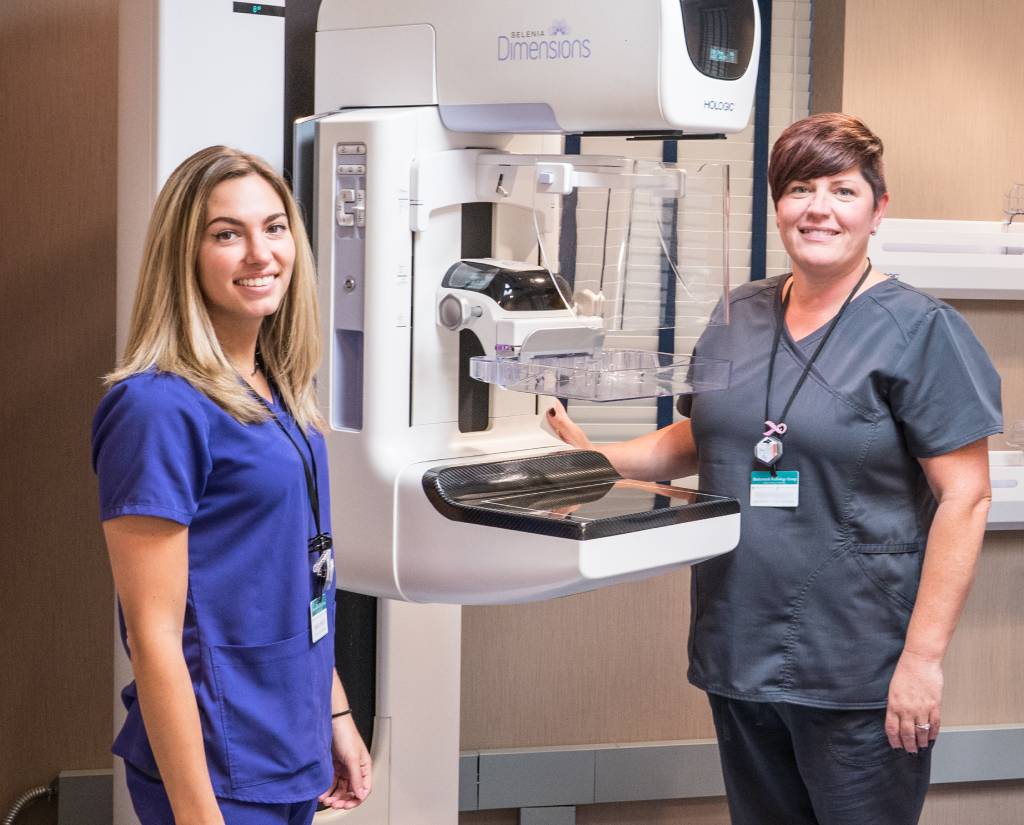
Routine mammographic screening is the best way to detect breast cancer early
Find out more
Interventional Radiology
Our team of Interventional Radiologists use image-guided techniques
Find out morePatient Testimonials
The Hackensack Radiology Group is a professional and careful imaging group. They verified the pertinent information multiple times, they had an effici… View Full Text
– Alan F

The Hackensack Radiology Group is a professional and careful imaging group. They verified the pertinent information multiple times, they had an efficient check-in process with the multiple forms data areas pre-populated and requiring only review and signature. The test was performed efficiently by a very qualified and interactive technician who recognized that the patient is a person in an uncomfortable predicament and was trying to put me at ease.
I can’t tell you how impressed I was with the receptionist I made the appointment with all the way to the doctor and nurses. Thank you!”… View Full Text
– Stephanie G

I can’t tell you how impressed I was with the receptionist I made the appointment with all the way to the doctor and nurses. Thank you!”
The tech was knowledgeable, professional, caring, personable (I could go on!) I appreciate her kindness in making me feel confident and amazing during… View Full Text
– Thecla E.

“The tech was knowledgeable, professional, caring, personable (I could go on!) I appreciate her kindness in making me feel confident and amazing during this stressful event. I am impressed with the scheduler during my scheduling, she was enthusiastic to guide me through the process and went above and beyond with me and others to make this facility a great place to refer others. My special thanks to this office and the exceptional employees making a positive difference for your patients. All employees are approachable and helpful.”
Like many women, Carmen discovered she had fibroids accidentally. While visiting her gynecologist to remove an ovarian cyst, she also found out she ha… View Full Text
– Carmen

Like many women, Carmen discovered she had fibroids accidentally. While visiting her gynecologist to remove an ovarian cyst, she also found out she had fibroids. Within a few years, Carmen started to develop serious symptoms like heavy, long, painful periods. Carmen admitted having to wear a super absorbency tampon, two ultra absorbency maxi-pads, a Depend® adult diaper, and Spanks® to hold it all together.
Not able to tolerate it any longer, she began to explore fibroid treatments. After searching for alternatives and getting nowhere, Carmen finally learned about uterine fibroid embolization (UFE) from an acquaintance who also suffered from fibroids. For Carmen, deciding to get UFE was the best decision for her. Recovery was uncomplicated. After resting for four days, she was back at work a week after the procedure.
“I’m hoping that I can use this platform to let other women know about UFE,” Carmen emphasized. “Women who are afraid to wear white pants and who feel a gush of blood flowing every time they get up from their seat. Who pray they have not messed up their seat at work or messed up the back of their pants or their nice skirt when they go out to dinner or they go to church. I hope that by doing this, I let other women know—just like I found out—that there is an alternative.”
The tech was very friendly and super nice. A wonderful experience and great person to have on your staff! We will always come here!… View Full Text
– Jean C.

The tech was very friendly and super nice. A wonderful experience and great person to have on your staff! We will always come here!
Everyone is polite and efficient. The tech was great and explained everything and made the experience as painless as possible – Thank you!… View Full Text
– Lore M.

“Everyone is polite and efficient. The tech was great and explained everything and made the experience as painless as possible – Thank you!!”
Welcome To
Hackensack Radiology Group
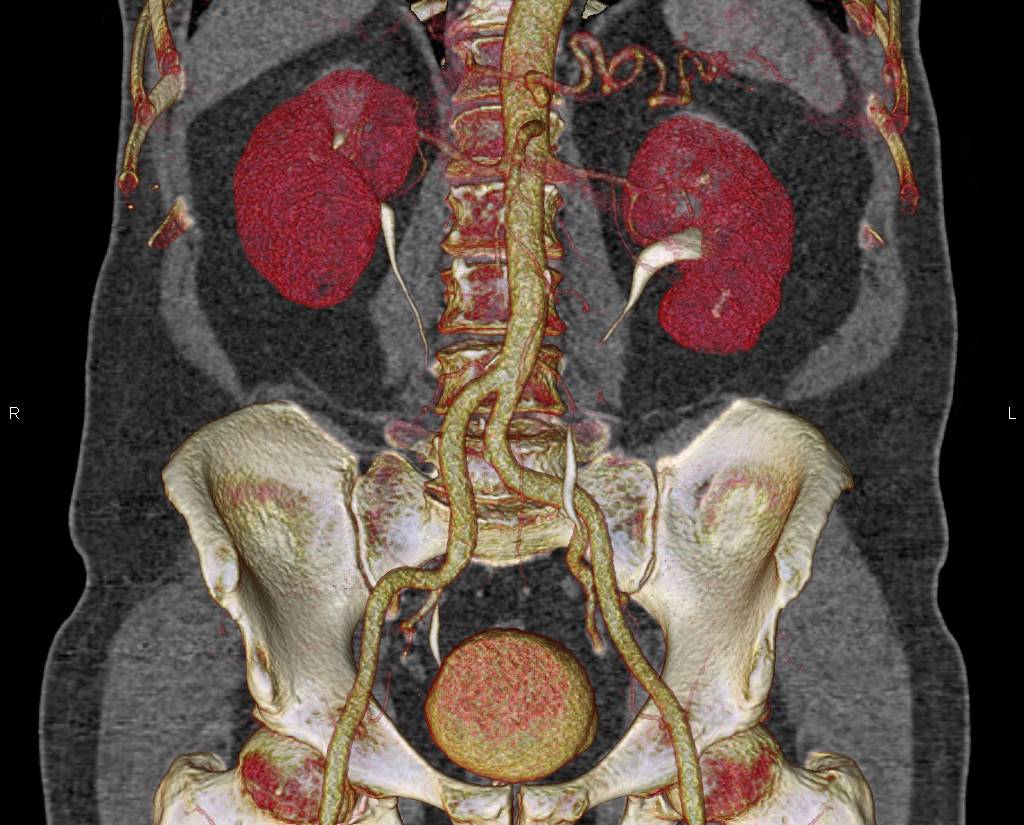
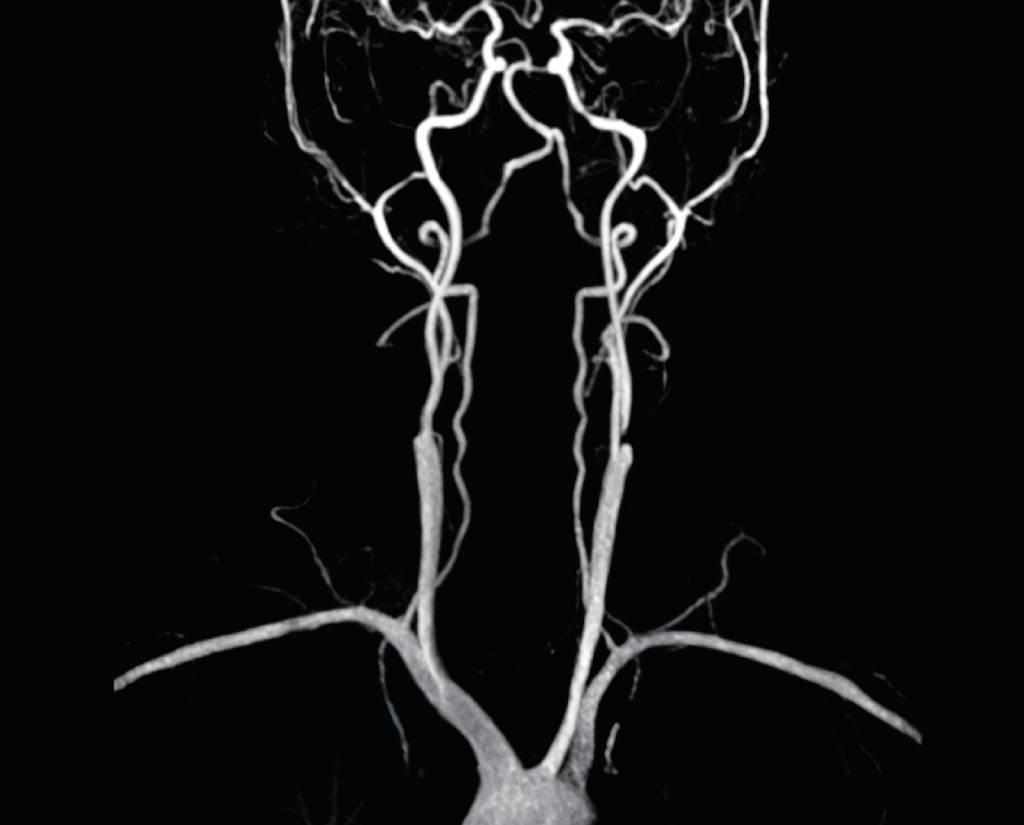
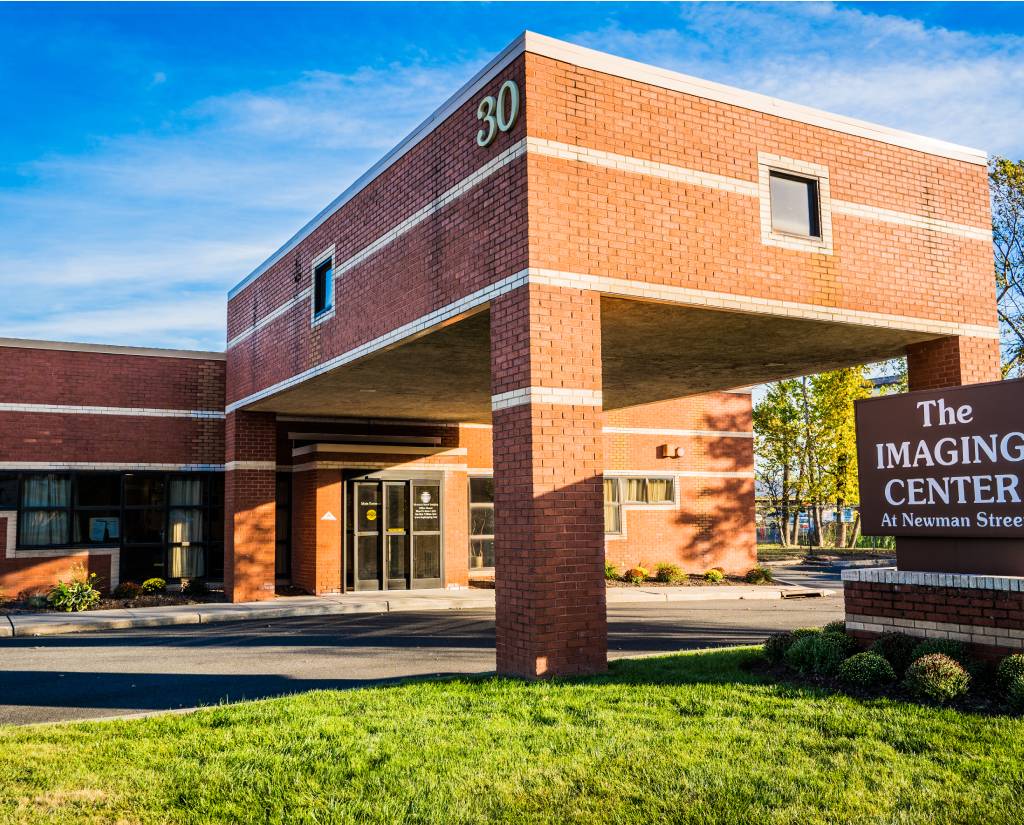
Hackensack Radiology Group is the leading regional provider of diagnostic and interventional radiology services in Northern New Jersey. High-quality patient care is always our first priority. Among our three locations in Hackensack, Oradell and Hoboken, we offer the full spectrum of imaging services. We can often accommodate same or next day appointments that enable referring physicians to make a prompt diagnosis and treatment plan for our patients.
We offer sub-specialty exam interpretation (over 40 board-certified, fellowship-trained physicians), with reports typically available to the referring physician within one business day. For our mammography patients, we offer “live” reads, where we provide patients directly with their study results, as soon as they finish their exam!*
*Available for weekday appointments during regular business hours.

Patient Satisfaction Survey
As part of our ongoing effort to provide the highest possible level of medical services, we ask for a few moments of your time to complete this survey.